Pakistani Recipes
Savor rich Pakistani recipes including biryani, karahi, and aromatic curries.
35 recipes found
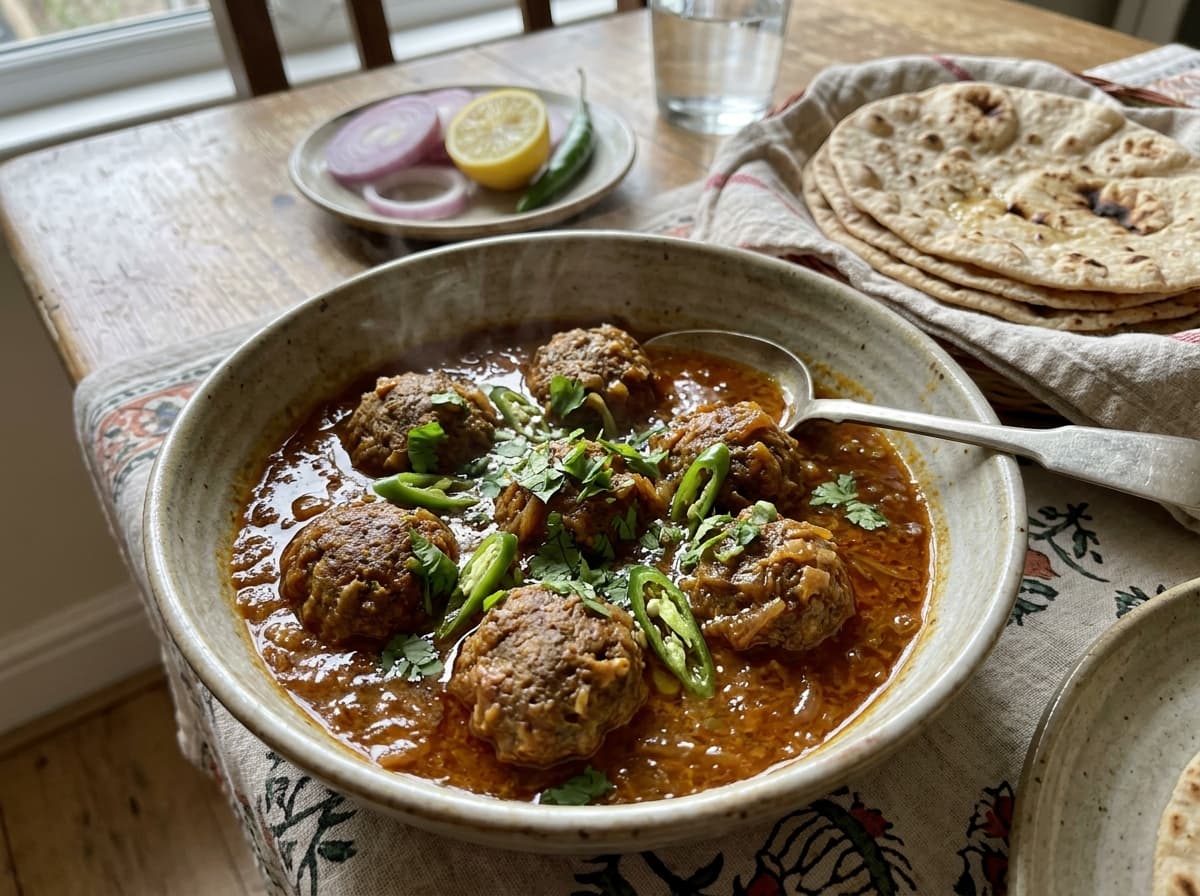
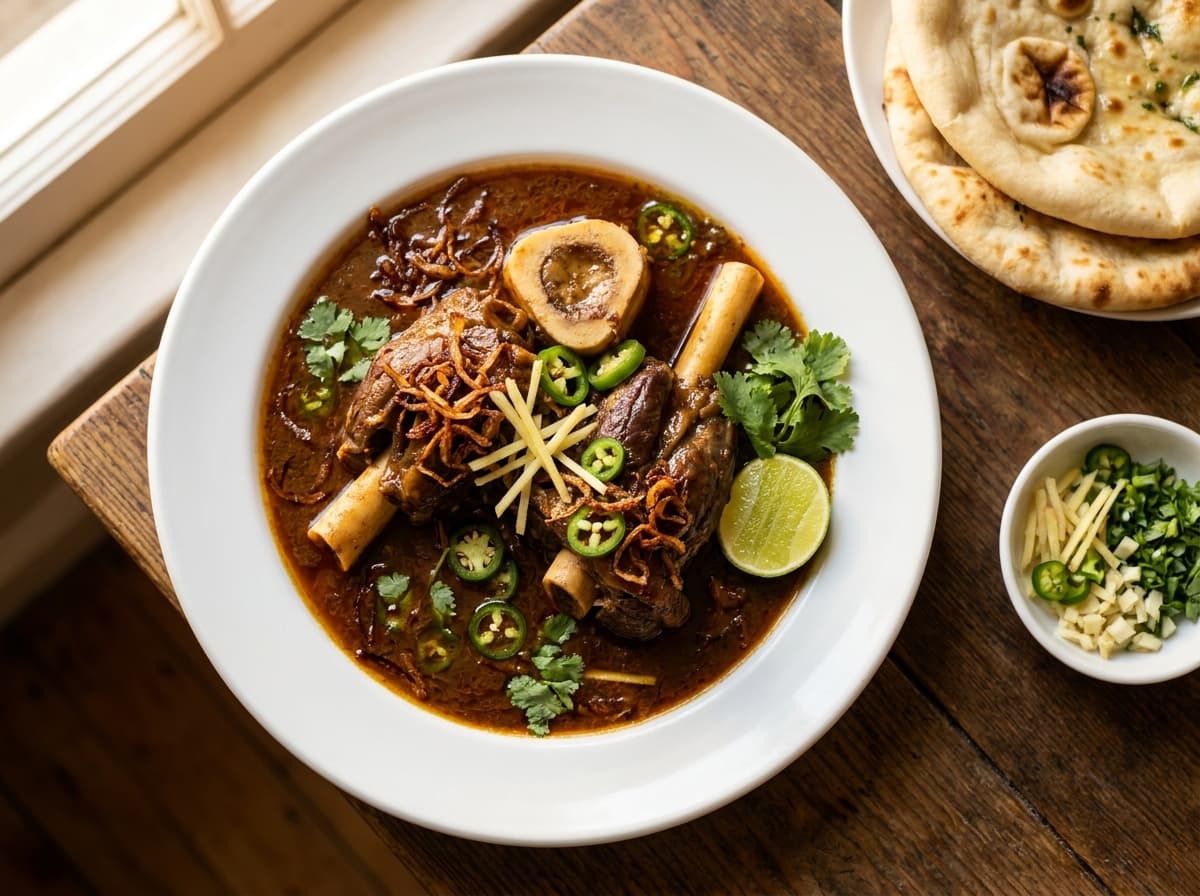
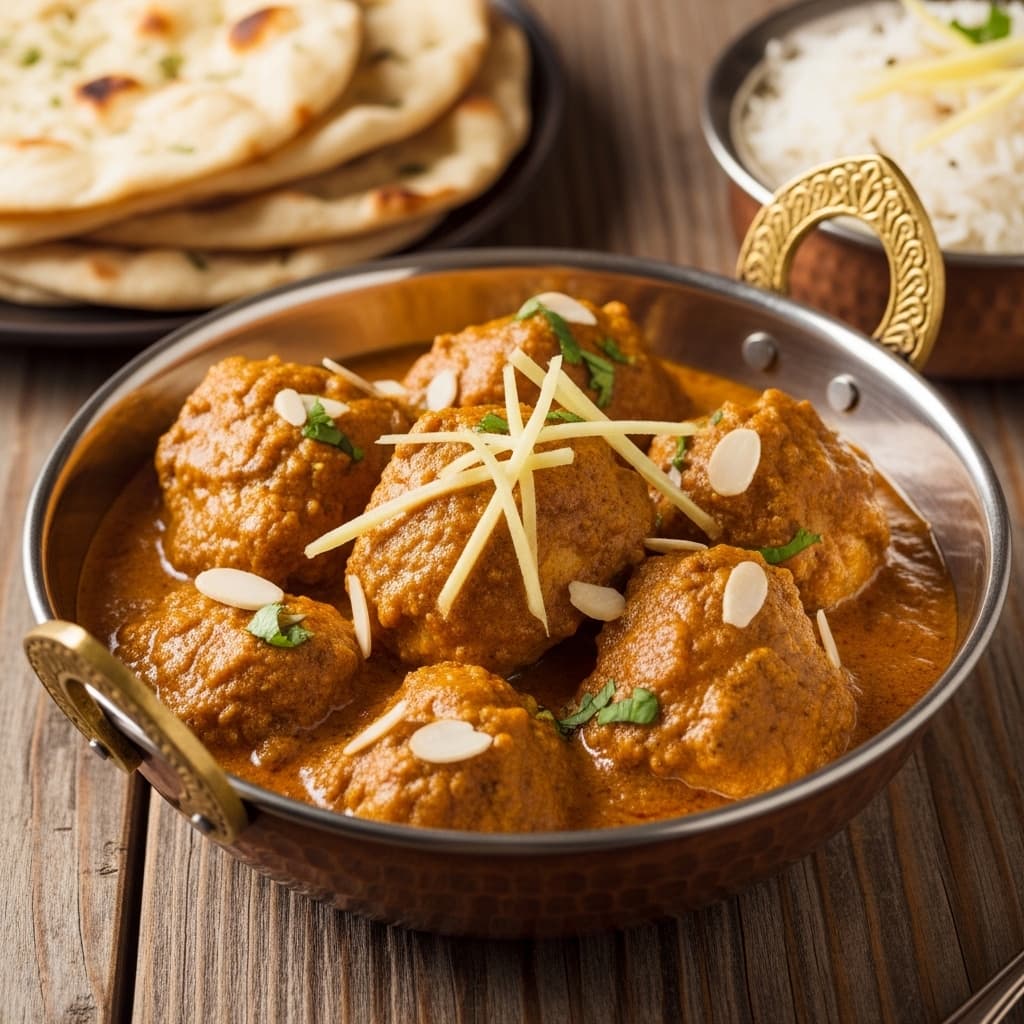
Pakistani Curries & Salans



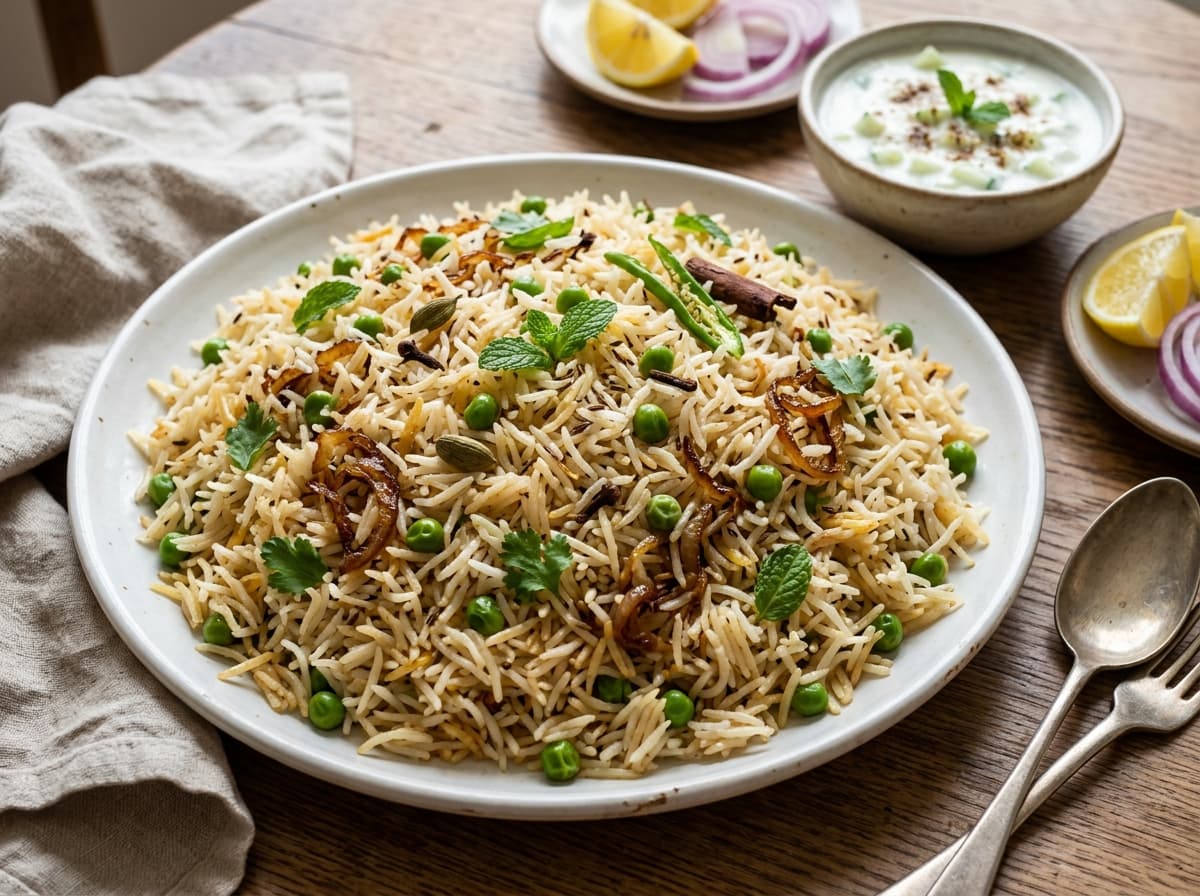
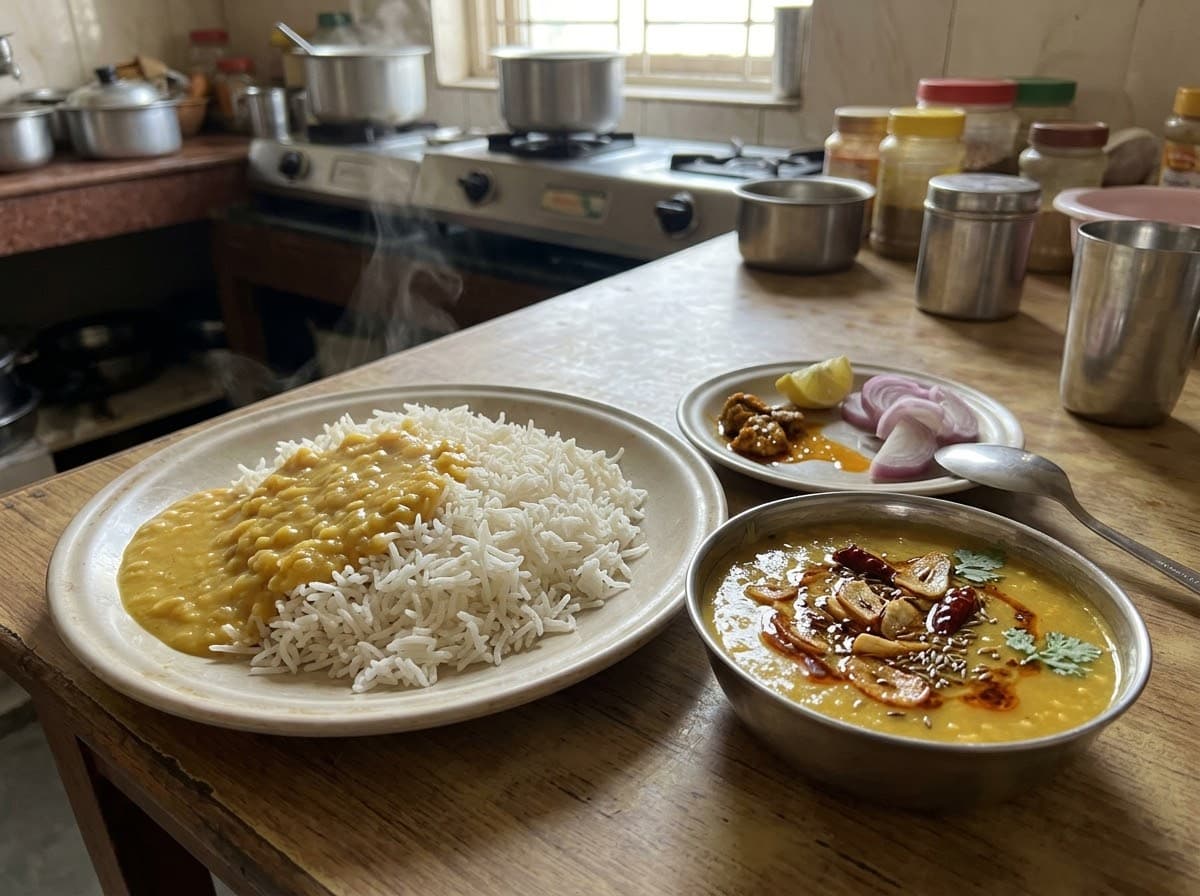
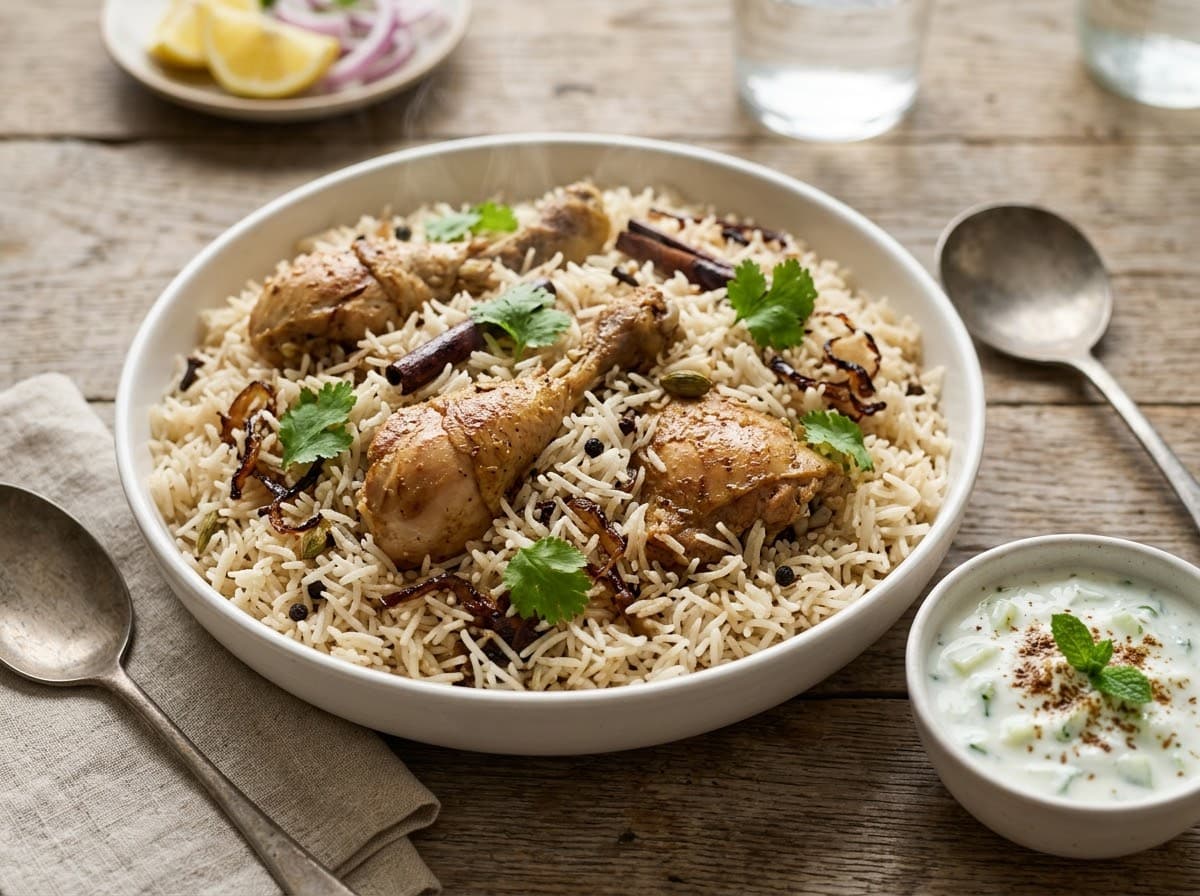
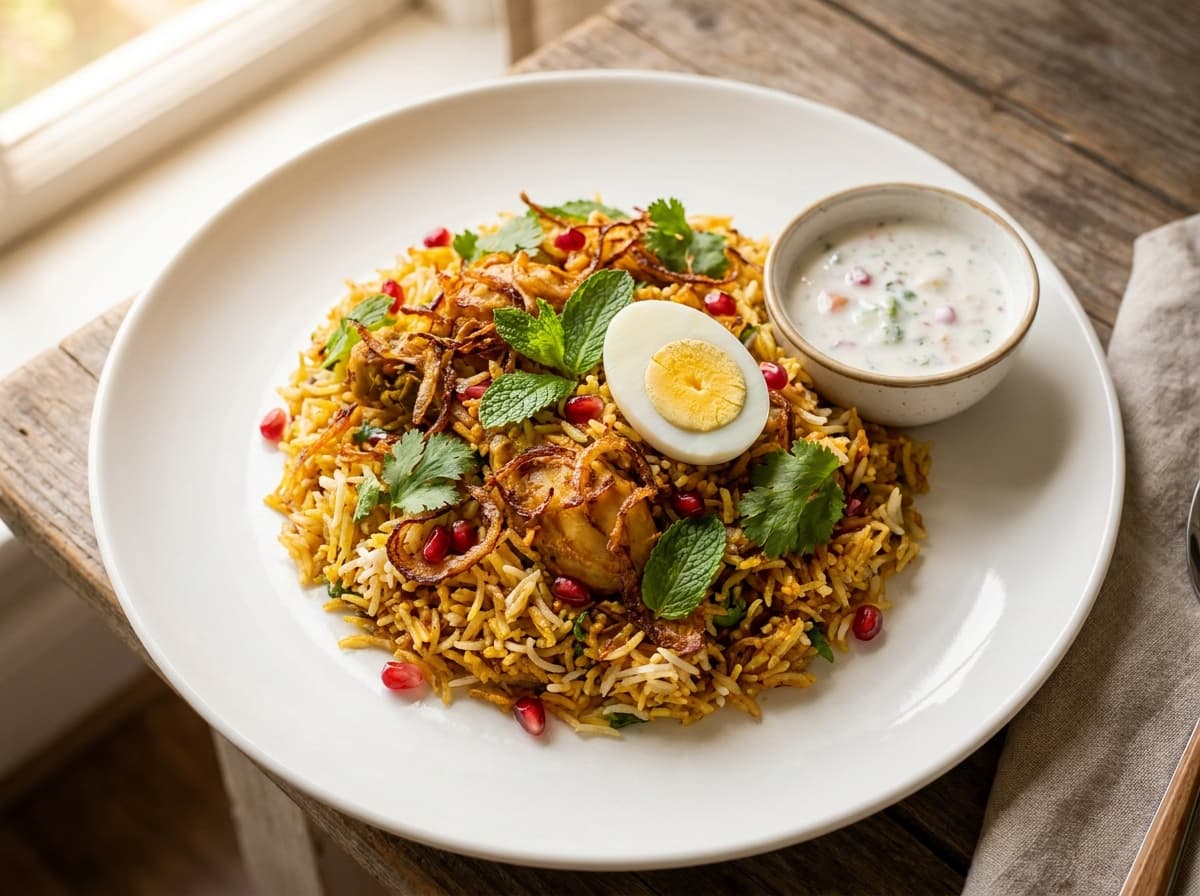
Biryani, Pulao & Rice

BBQ & Kebabs


Pakistani Breads
Snacks & Street Food

Desserts & Sweets
A guide to Pakistani home cooking
Pakistani home cooking runs on a few everyday rhythms: a pot of salan on the stove, a stack of fresh roti, a pan of rice when there is something to celebrate, and strong, milky chai at almost any hour. Most dishes start the same way, with onions, ginger, garlic and tomatoes cooked down with spices until the oil separates, and that one technique unlocks most of the recipes on this page. Everything here is written for home kitchens in the US, UK, Canada and Australia, using ingredients from a regular supermarket or a South Asian grocer.
Regional cooking across Pakistan
Punjab
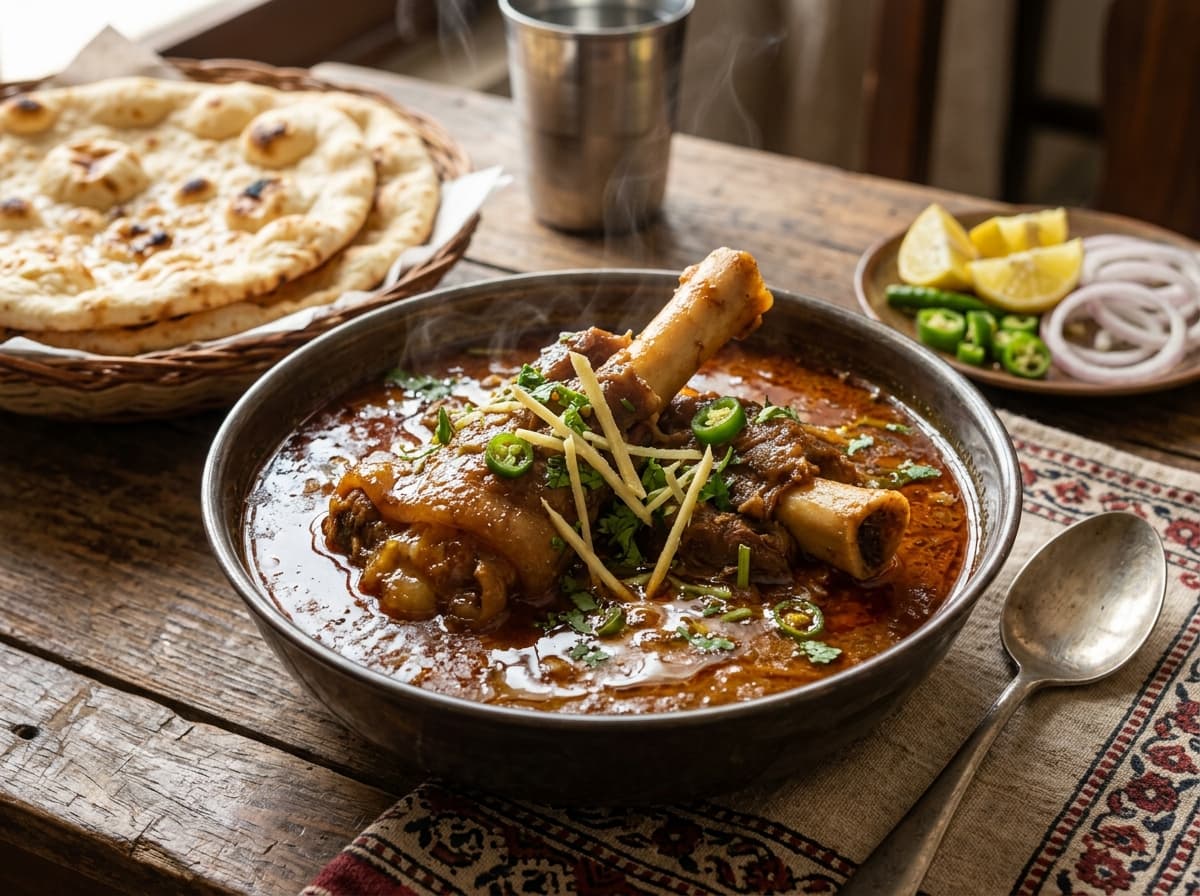
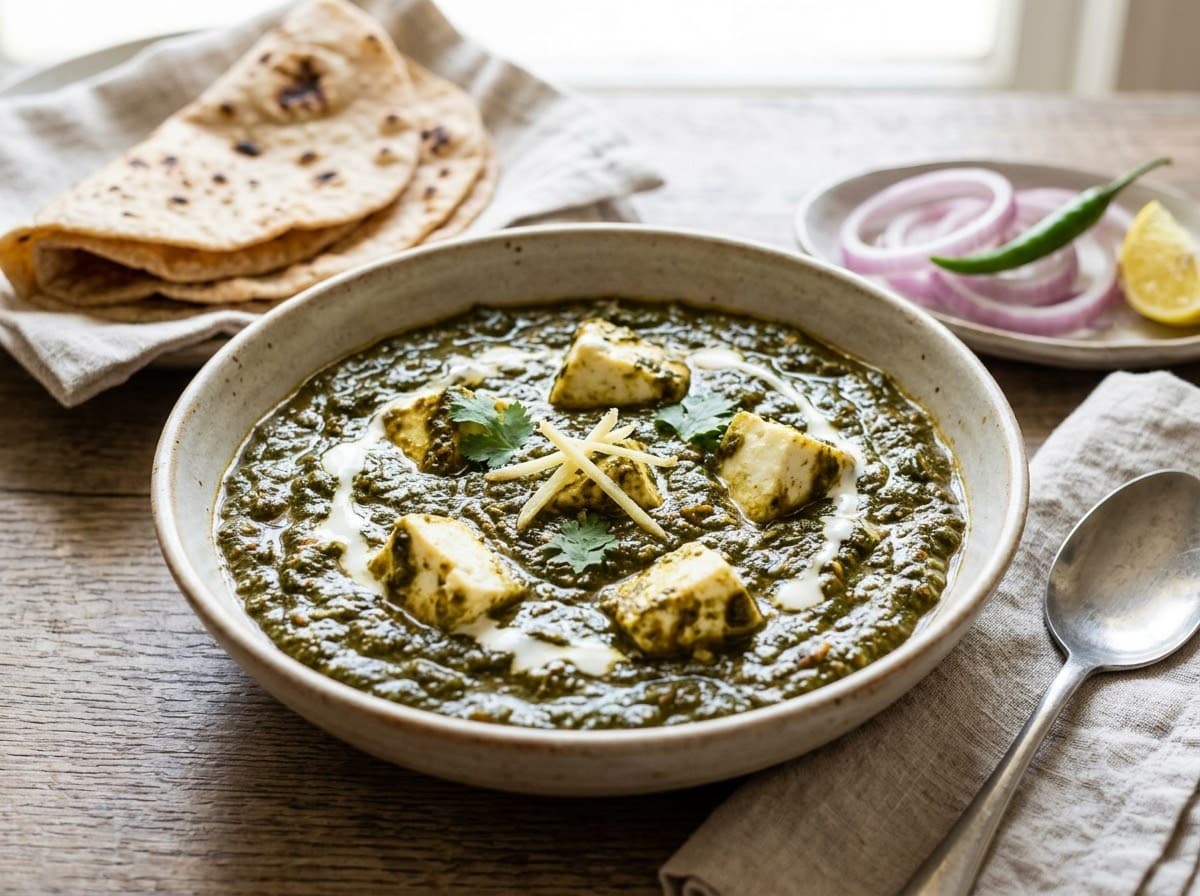
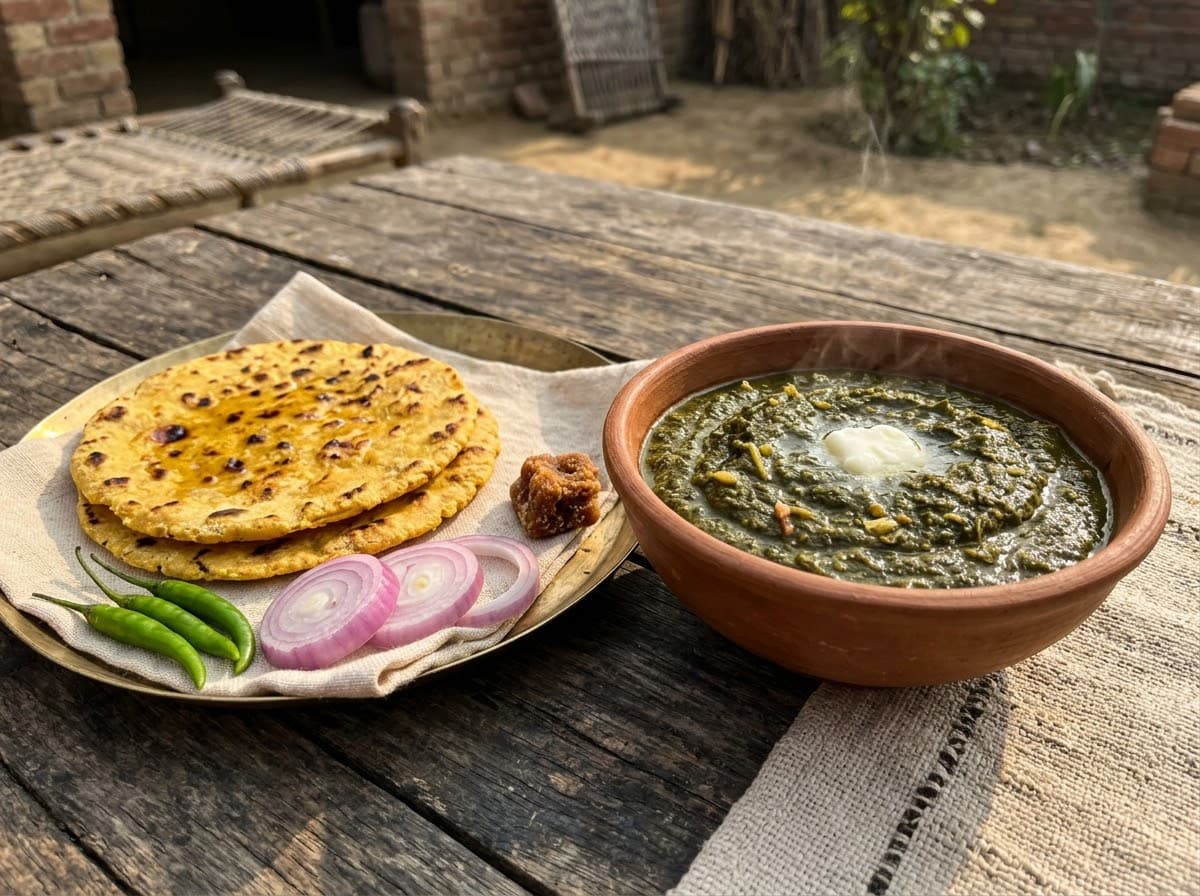
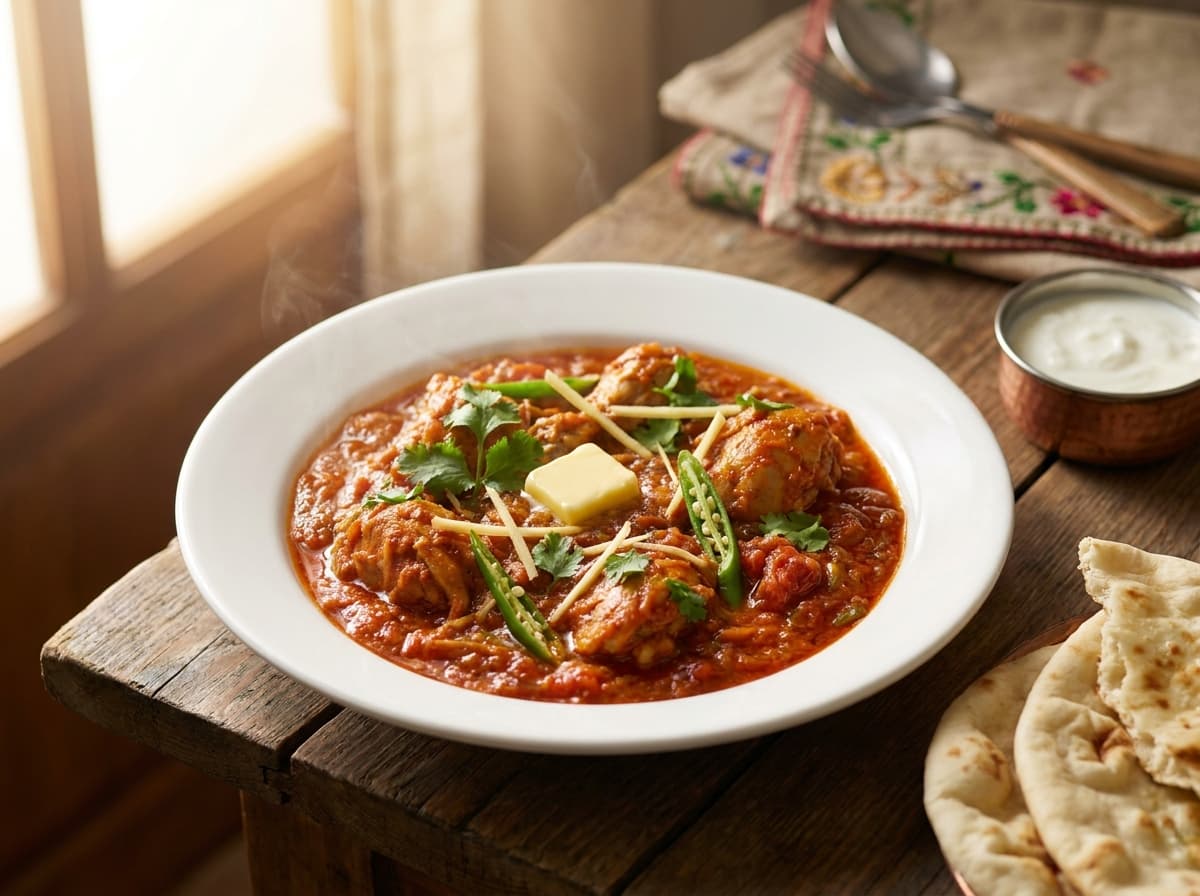
Punjab is wheat, dairy and tandoor country, and it shapes most of what people outside Pakistan think of as Pakistani food. Daily meals are roti or paratha with daal, seasonal vegetables or a meat salan, with yogurt or lassi on the side. Lahore is famous for its food streets and for big weekend breakfasts of halwa puri, paye (slow-cooked trotters) and beef nihari, a stew simmered for hours until the meat falls apart. Roadside dhabas made chicken karahi a national favorite: cooked fast and hot in the wok-like karahi pan it is named after, with tomatoes, ginger and green chilies. Winter brings sarson ka saag with makki ki roti, and desserts like gajar ka halwa, made with the season's red carrots.
Sindh and Karachi
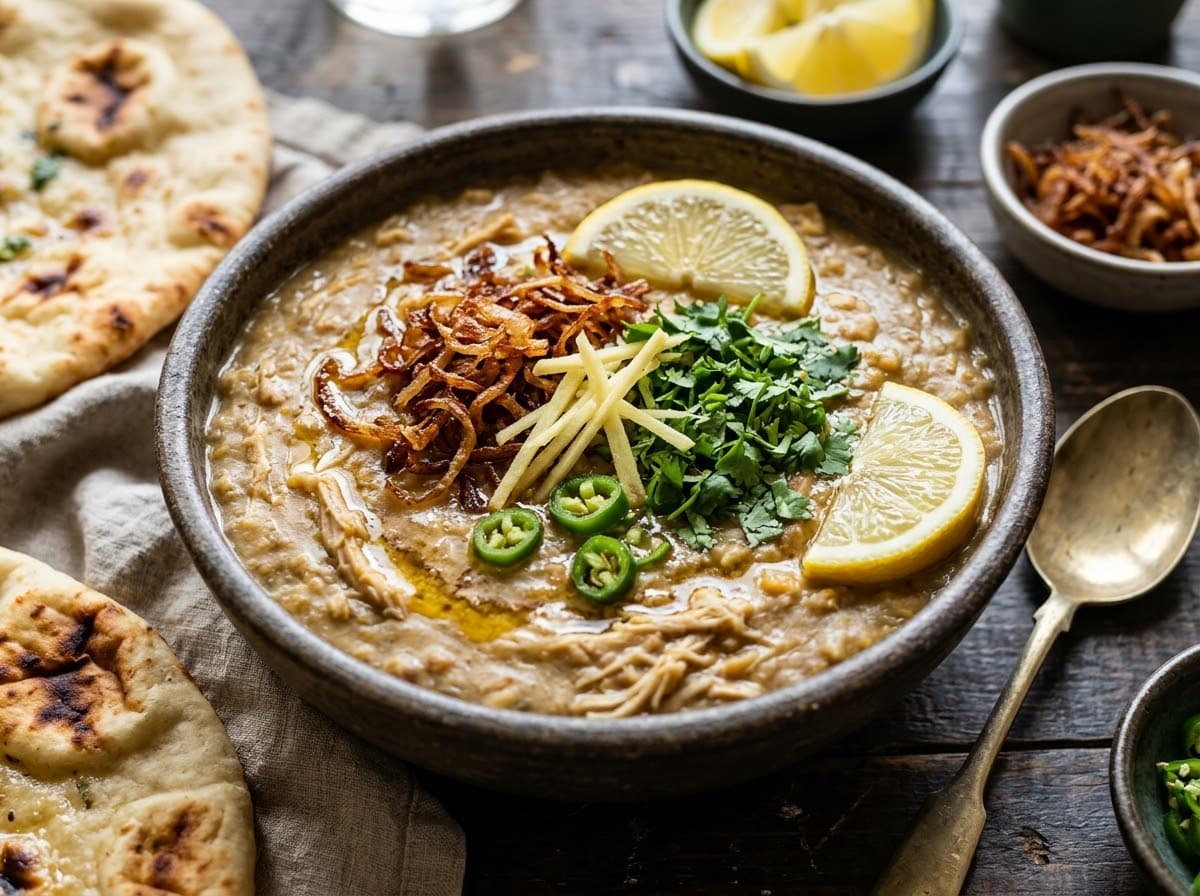
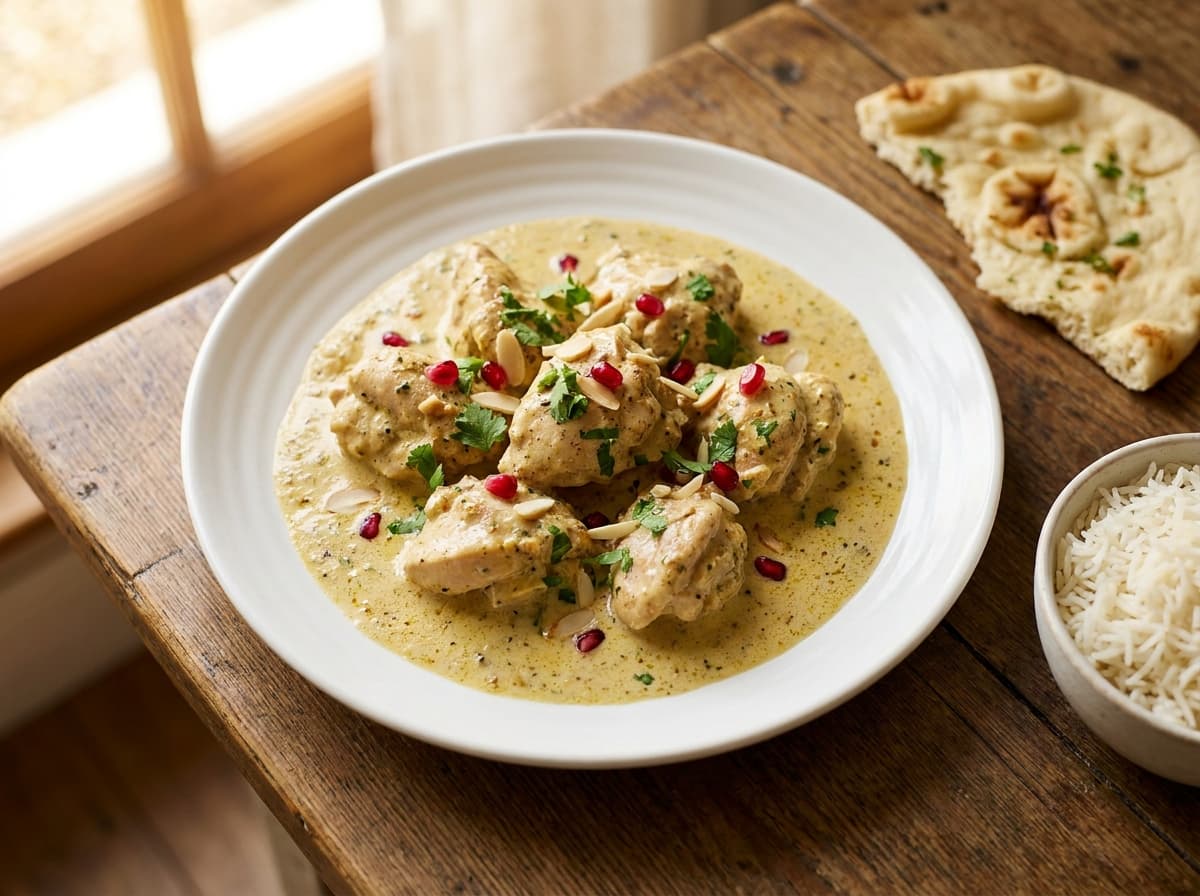
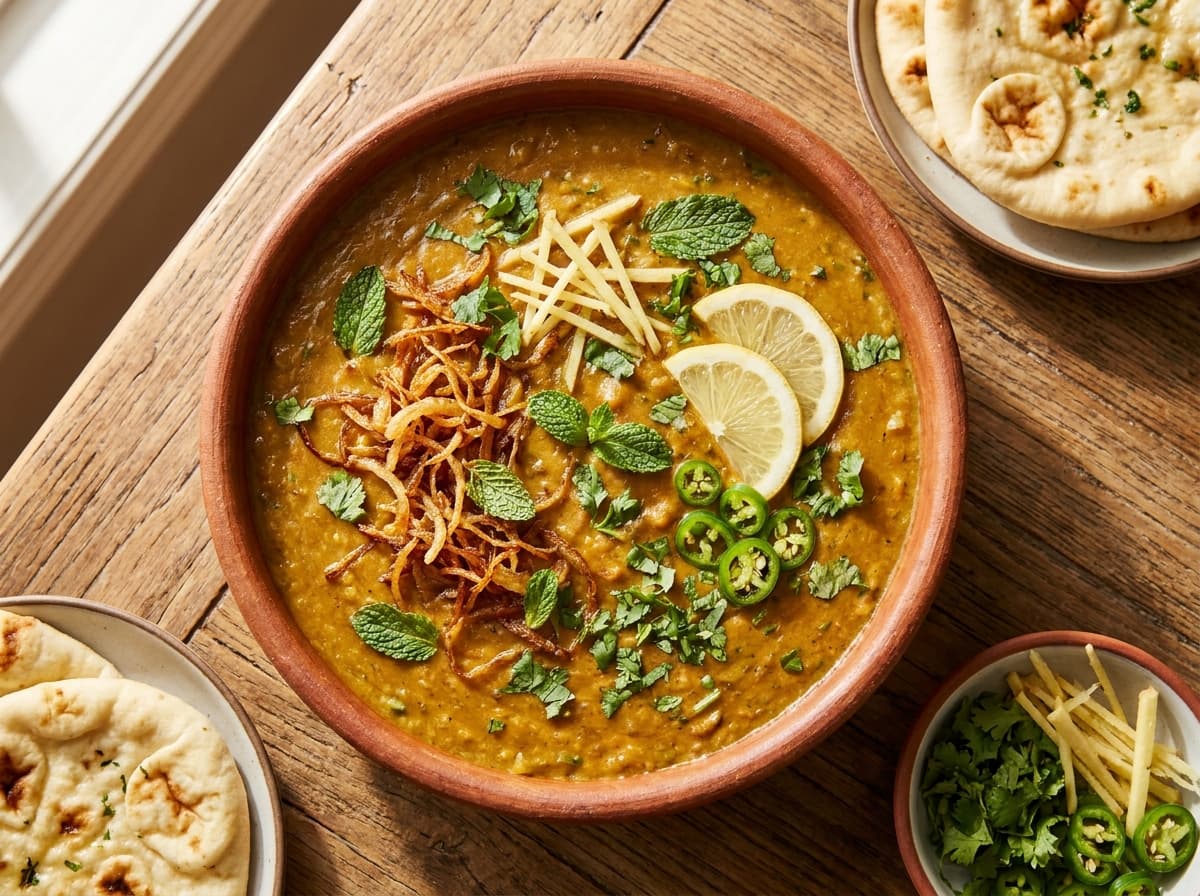
Sindhi food leans tangy and hot, with tamarind, tomatoes and plenty of green chili. Sindhi biryani is layered with potatoes and sour dried plums (aloo bukhara), Sindhi curry is a tart gram-flour gravy full of vegetables, and sai bhaji cooks spinach and other greens down with chana dal. Fish from the Indus and the Arabian Sea matters far more here than in the rest of the country. Karachi adds another layer: families who migrated from Delhi, Lucknow and Hyderabad in 1947 brought refined Mughlai cooking that is now everyday Pakistani food, including chicken qorma, slow-cooked haleem and the city's beloved Pakistani chicken biryani.
Peshawar and Khyber Pakhtunkhwa
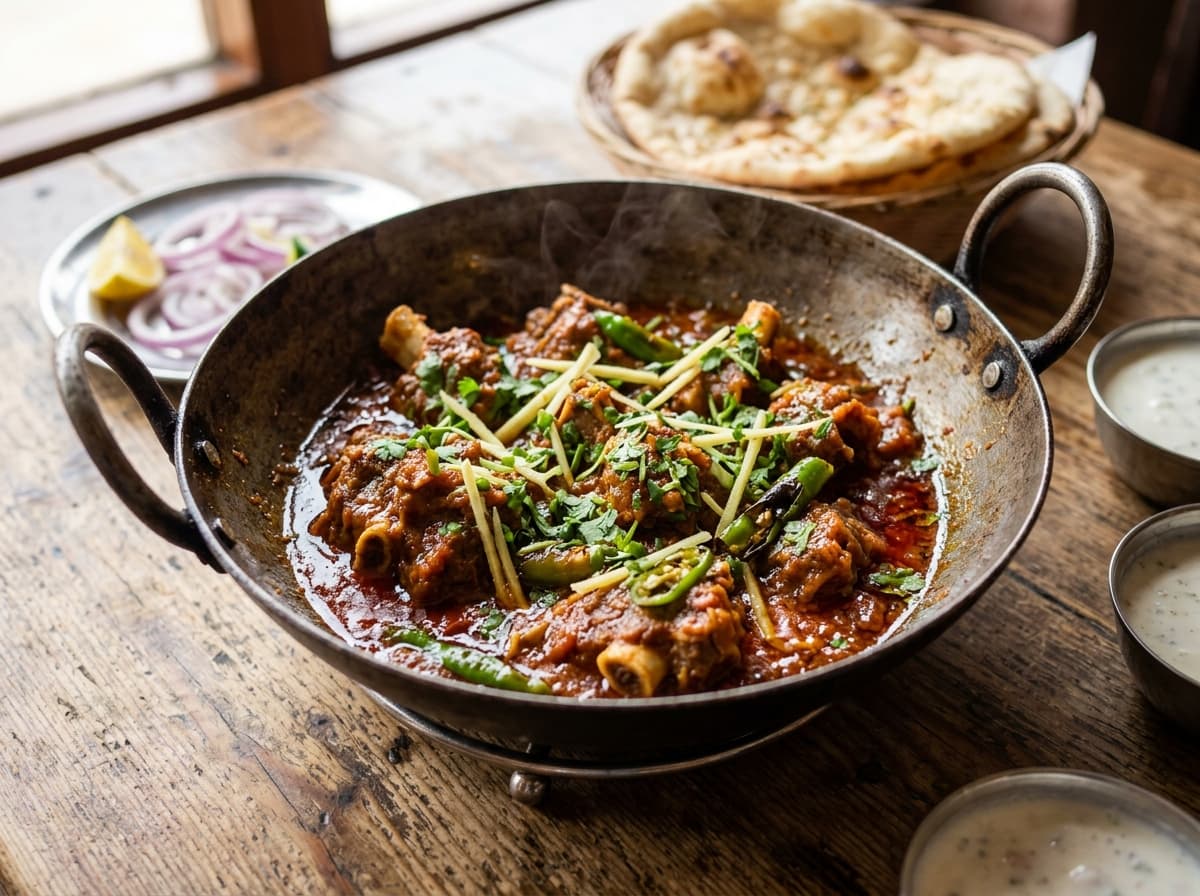
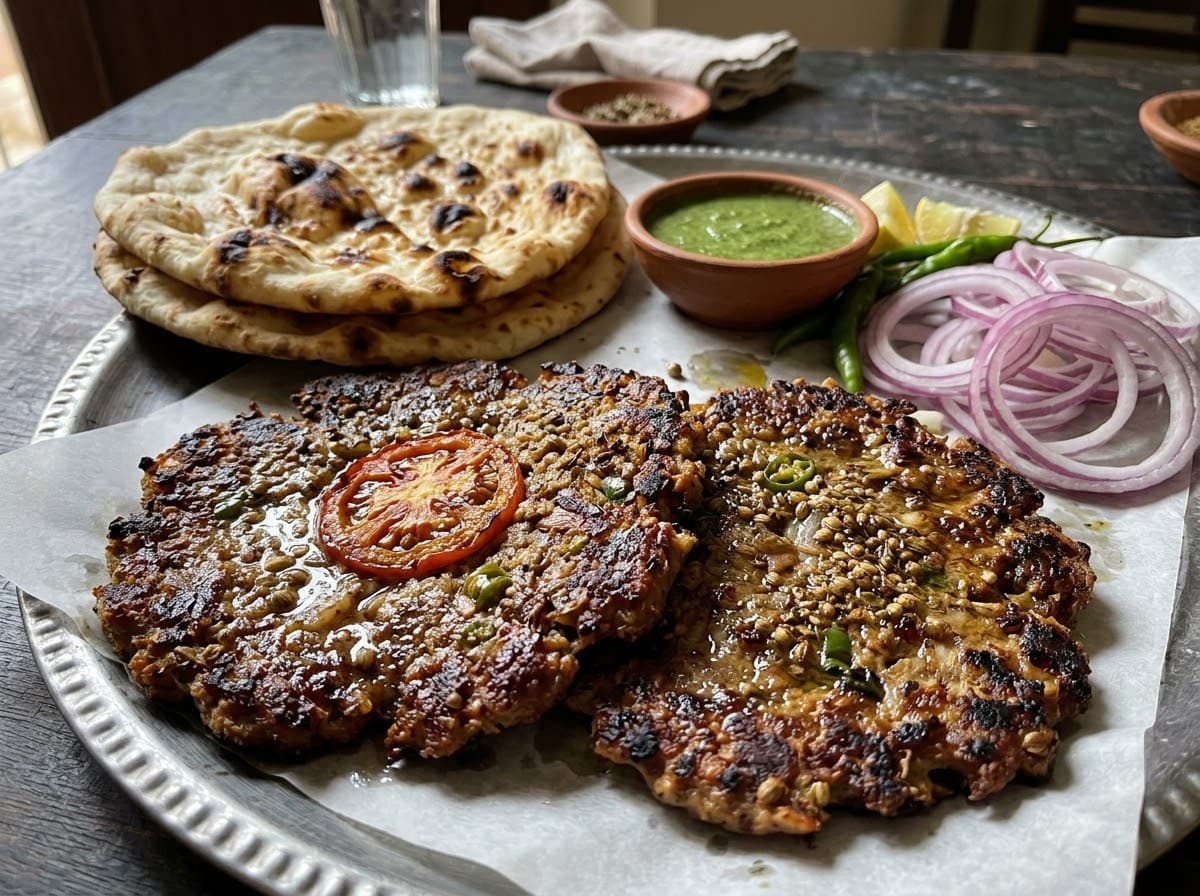
Pashtun cooking in the northwest is meat-forward and surprisingly restrained with spice. The karahi of Peshawar's Namak Mandi uses little more than lamb, its own fat, tomatoes, salt, black pepper and green chilies. Chapli kebab, a wide, flat beef patty studded with crushed coriander seeds, dried pomegranate seeds and tomato, comes from here, as does Kabuli pulao with carrots and raisins, a reminder of how closely the region's food is tied to Afghanistan. Creamy, mildly spiced dishes like Afghani chicken are a fixture of Pakistani BBQ restaurants. Meals often end with kahwa, a green tea brewed with cardamom.
Balochistan
Balochistan is vast, dry and pastoral, and its cooking is simple in the best way. Its best-known dish is sajji: a whole lamb or chicken seasoned mostly with salt, skewered and slow-roasted upright beside an open fire until the skin crisps and the fat renders. It is often eaten with kaak, a dense bread baked around a hot stone, and families traditionally preserve mutton for winter by drying it as landhi. Pakistani cooking does not always mean heavy masala; sometimes it means good meat, salt, fire and patience.
The Pakistani pantry
You do not need a huge spice collection. Most recipes here draw on the same short list.
Fresh ingredients: onions (lots of them, often browned deeply), tomatoes, fresh ginger and garlic (usually blended into a paste), green chilies, cilantro, mint, lemons and plain whole-milk yogurt, with ghee or a neutral oil for cooking.
Ground spices: red chili powder, turmeric, ground coriander, ground cumin and garam masala do most of the work. Kashmiri chili powder gives deep color with gentle heat, while the red chili powder sold at South Asian grocers is much hotter, so start with less if yours is unfamiliar.
Whole spices: cumin seeds, cloves, green and black cardamom, cinnamon or cassia bark, bay leaves and black peppercorns are fried in the oil at the start of qormas, pulaos and biryanis to perfume the whole dish.
Worth adding over time: kasuri methi (dried fenugreek leaves), ajwain (carom seeds) for pakoras and parathas, dried plums for biryani, chaat masala, and saffron or kewra water for rice and desserts. For staples, keep basmati rice, atta (whole-wheat chapati flour) and a few lentils such as chana dal, masoor and moong.
Boxed masala mixes from brands like Shan and National are in almost every Pakistani kitchen, and they are a perfectly good shortcut. Our recipes use individual spices instead, so you can adjust the heat and salt to your taste.
The technique that ties it all together is bhunai: frying the onion, tomato and spice base, then the meat, over steady heat and stirring often until the masala darkens and the oil pools at the edges. Rushing this step is the most common reason a homemade curry tastes flat or raw.
How the recipes are grouped
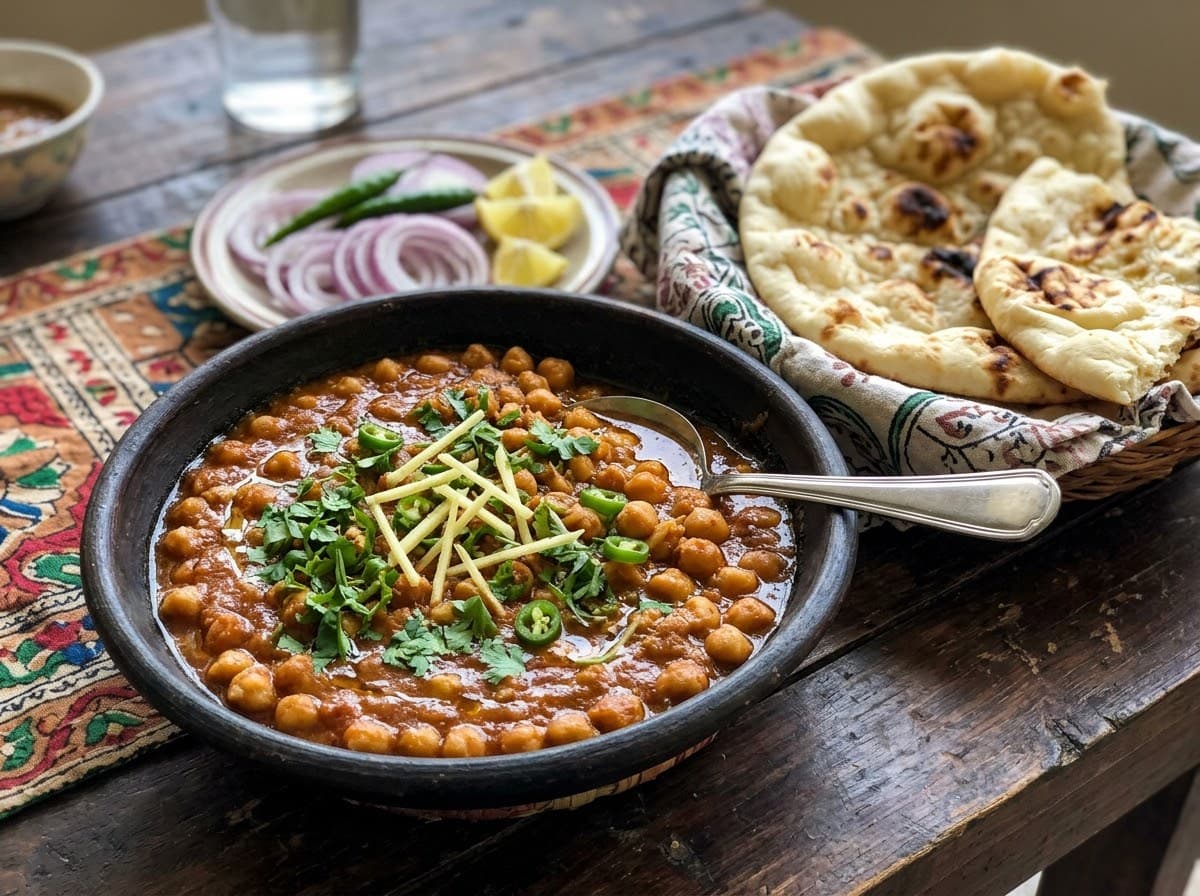
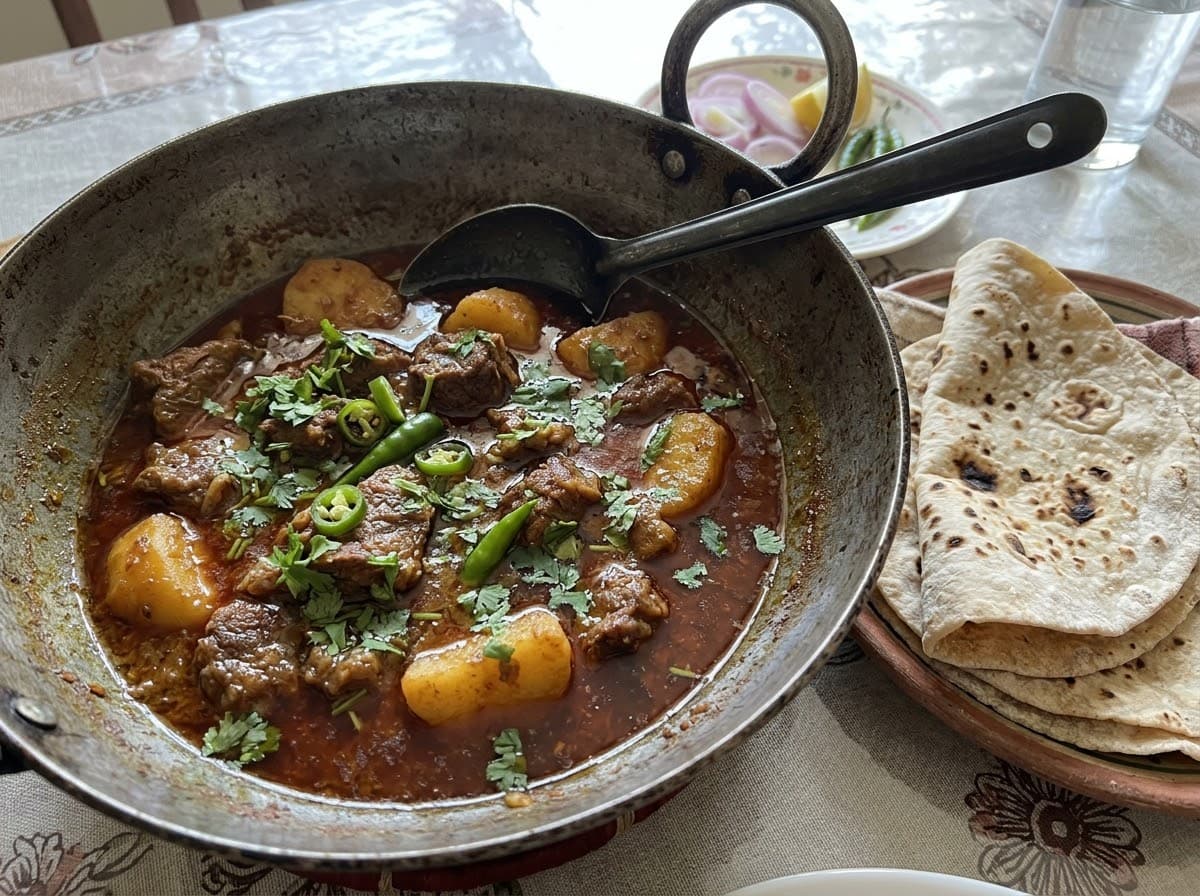
Curries and salans: salan is the everyday word for anything cooked in a gravy, from a simple aloo gosht to a rich qorma. This group also covers karahi, nihari, haleem and keema dishes such as keema matar.
Rice: biryani for celebrations, yakhni pulao cooked in meat stock, and plain basmati for daal chawal, the comfort food most Pakistanis grew up on.
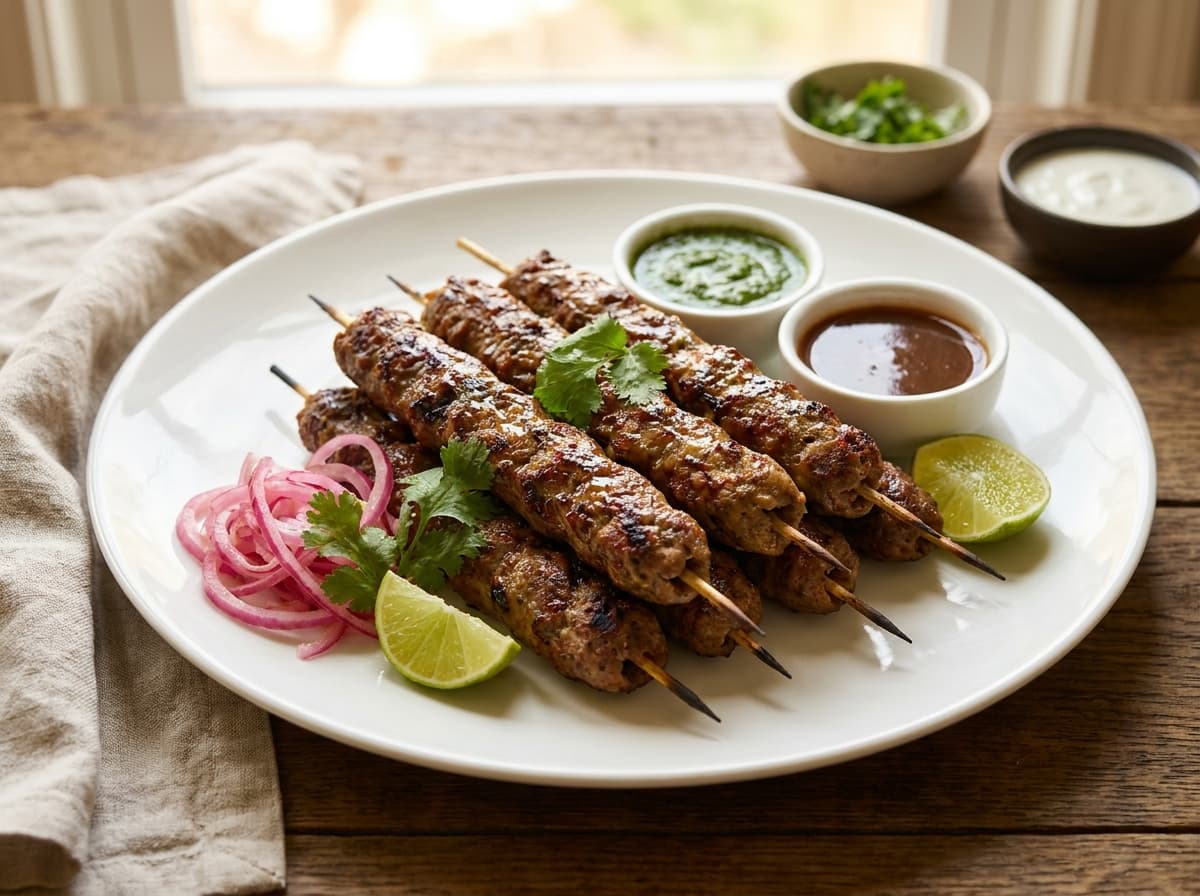
BBQ and kebabs: seekh kabab, chapli kebab, tikka and boti. Charcoal is traditional, but a gas grill, the broiler or a heavy skillet all work at home.
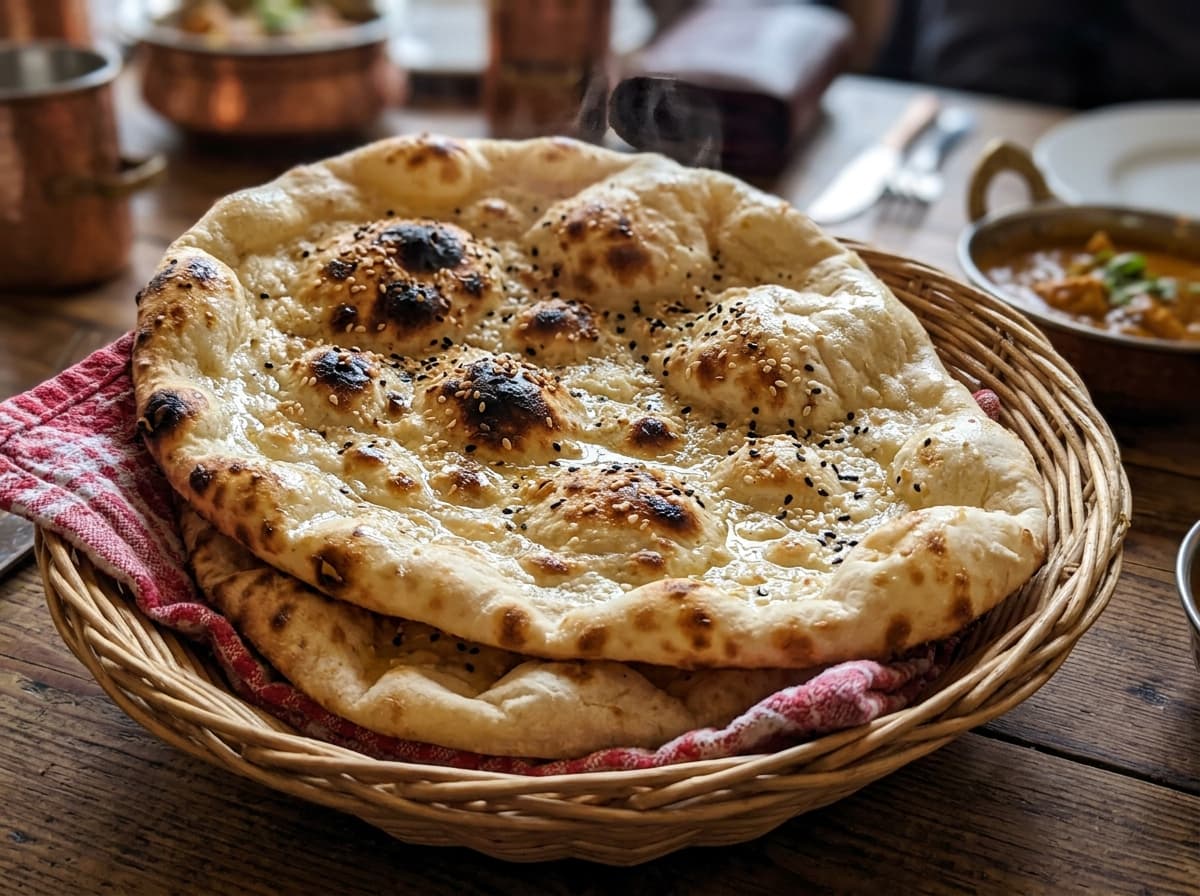
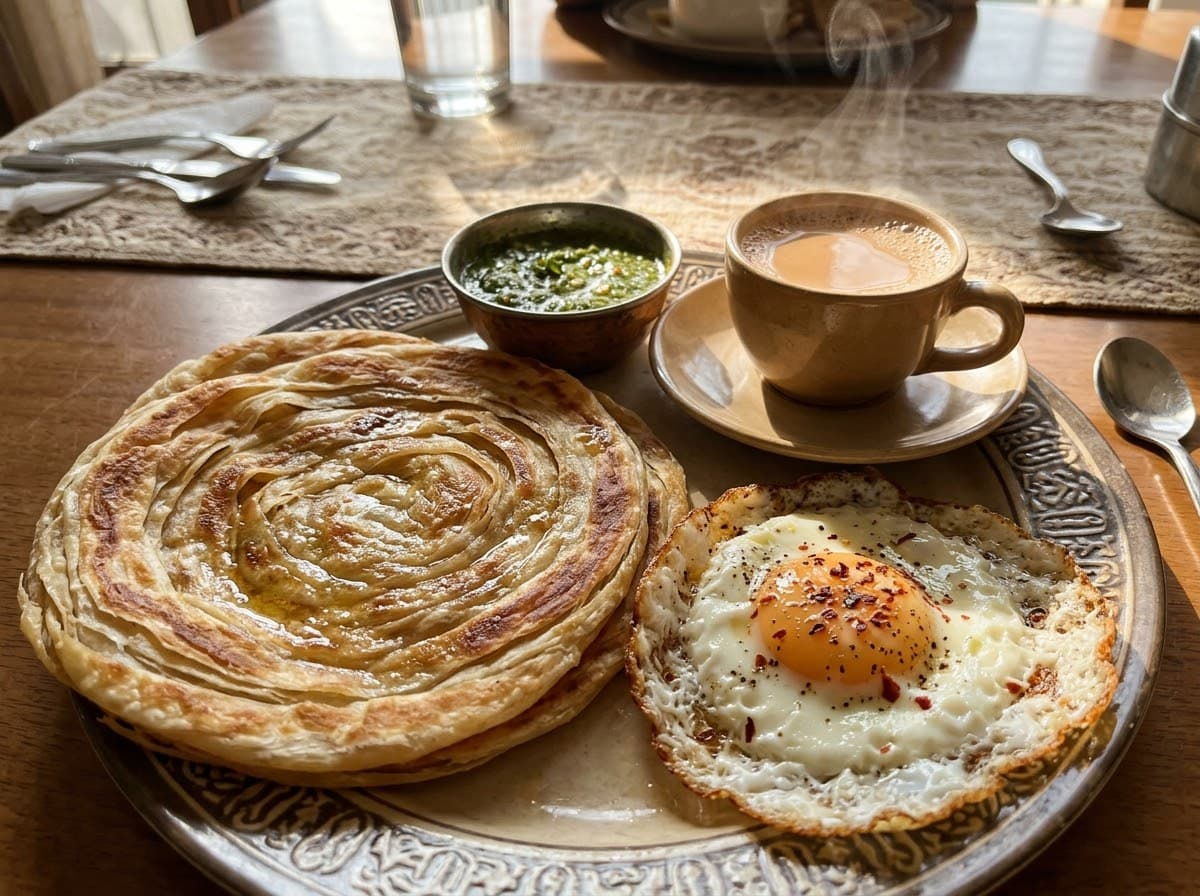
Breads: everyday roti and chapati, flaky layered parathas, naan, and the deep-fried puri served with halwa and chickpeas for a weekend breakfast.
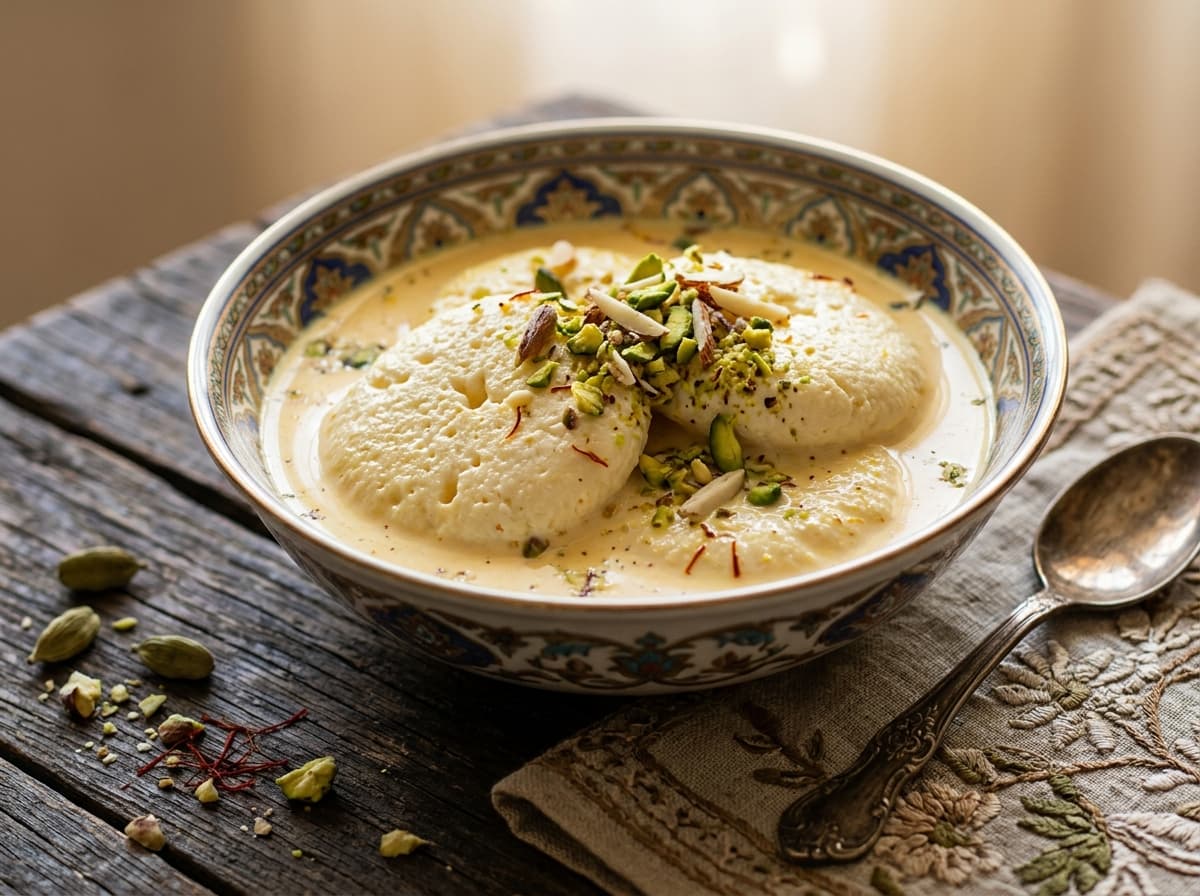
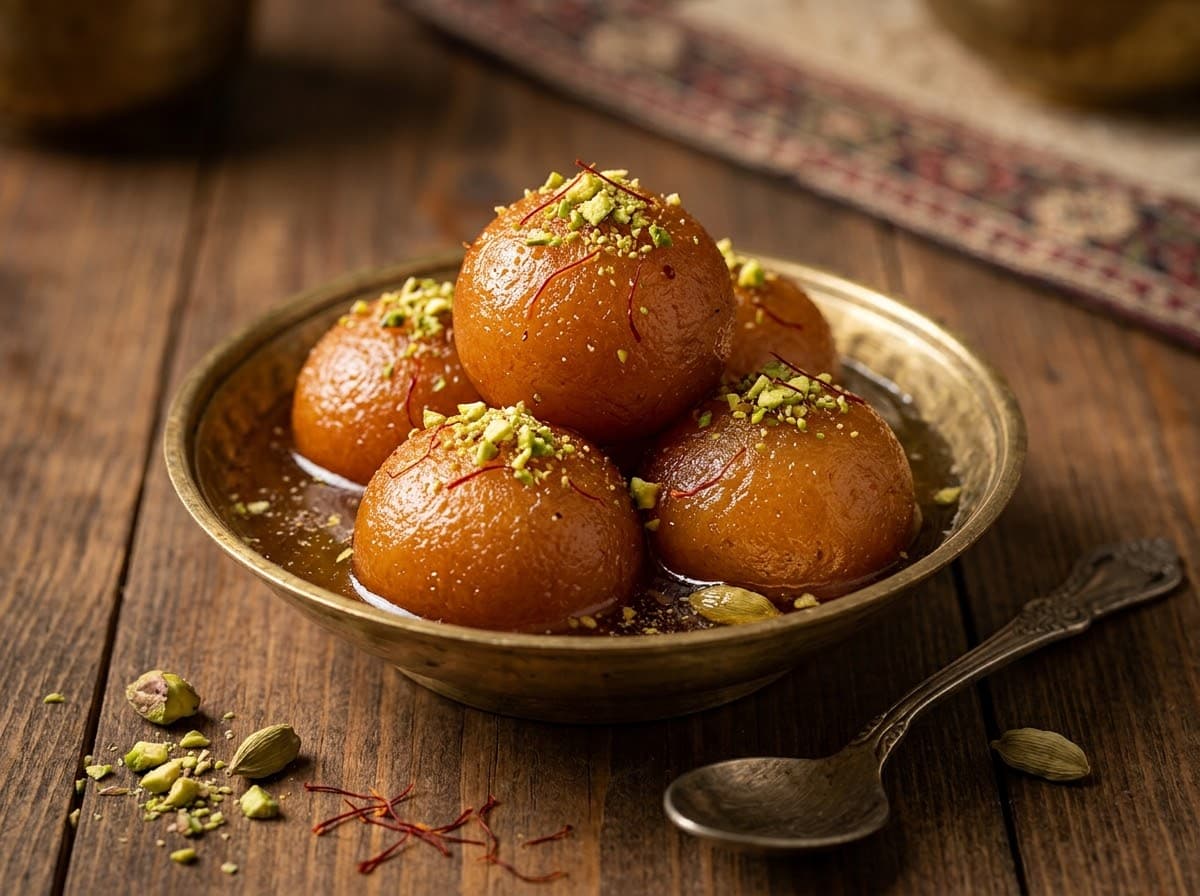
Sweets: creamy rice kheer, gajar ka halwa, sheer khurma for Eid and other desserts. Snacks like pakoras and drinks like doodh patti chai get their own groups.
Cooking Pakistani food outside Pakistan
Pakistani cooks generally use bone-in goat or mutton, beef and chicken, all of it halal; pork is never part of Pakistani cooking. If you can only find lamb, bone-in shoulder is the best substitute and gives a richer gravy than boneless meat.
Use plain whole-milk yogurt in curries and marinades. Greek yogurt works if you thin it with a little water, and whisking yogurt before it goes into a hot pot helps keep it from splitting.
If you know Pakistani food mainly from curry houses, expect home cooking to taste different. Dishes like tikka masala and balti were created for British restaurants, often by Pakistani and Bangladeshi cooks, and are richer and sweeter than family cooking. Home-style food is lighter on cream, heavier on onions and tomatoes, and usually spicier, so start with the lower amount of chili and add more at the end.
Seasons and celebrations
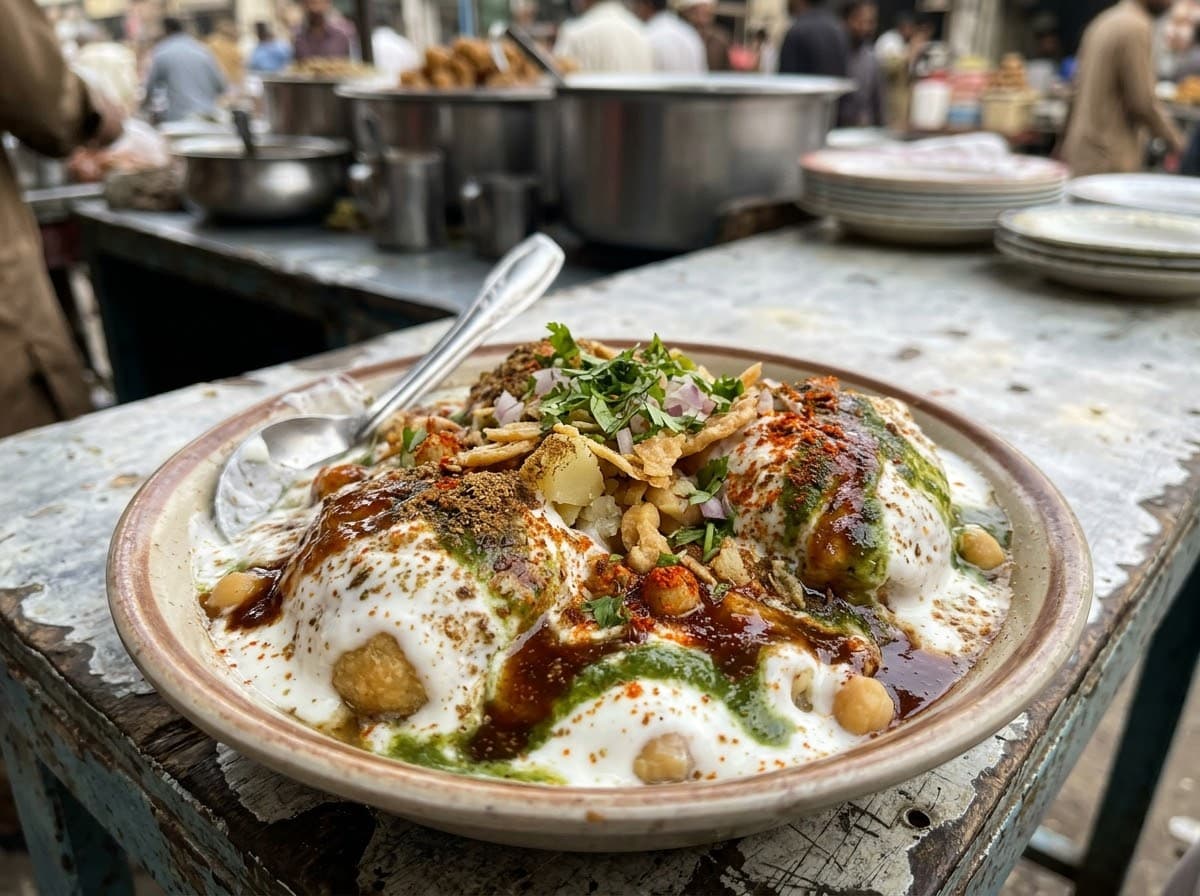
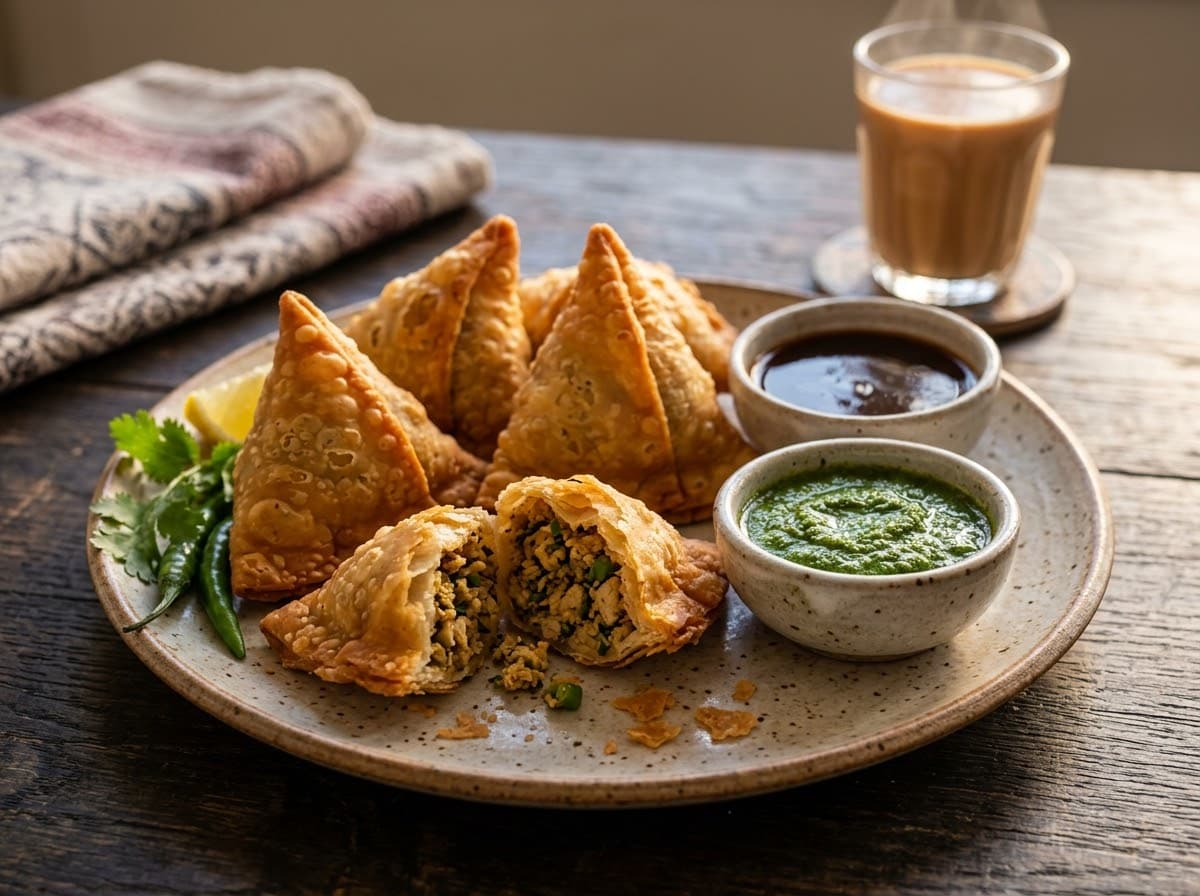
Pakistani cooking follows the calendar. Winter is the season for nihari, paye, haleem, saag, gajar ka halwa and the chicken corn soup sold from street carts on cold evenings. Ramadan means iftar spreads of pakoras, samosas, fruit chaat and dahi baray with a jug of Rooh Afza, followed by sheer khurma on Eid ul-Fitr. Eid ul-Adha, when many families sacrifice an animal and share the meat, brings a week of kebabs, karahi and fresh meat dishes. New Pakistani recipes are added regularly, timed so winter and Ramadan dishes are here before you need them.